
How to Crosspost Products Across Resale Marketplaces
 4 min read
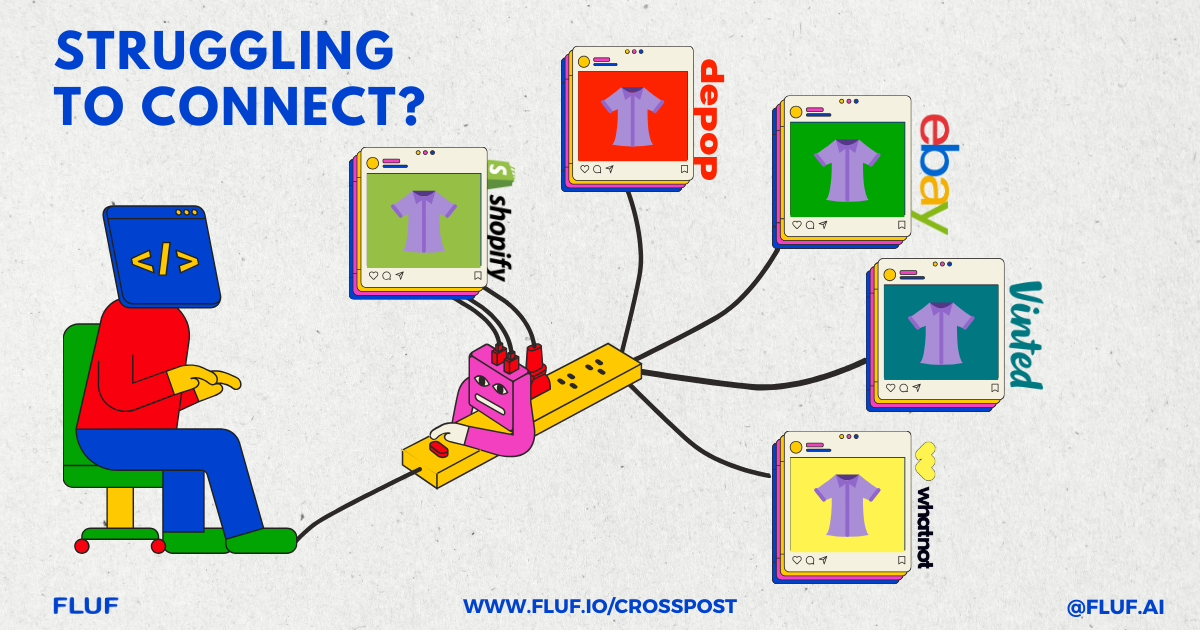
Imagine you’re a vintage seller who has outgrown selling on just one platform. You’ve built a loyal following, but you’re noticing your best pieces sit for longer than they should. Or maybe you’re a charity shop overwhelmed with donated stock, looking for a way to list efficiently without doubling your workload. Perhaps you’re an enterprise seller with thousands of SKUs, struggling to keep inventory in sync across multiple platforms. In all these cases, crossposting is the solution.
Crossposting—listing the same item on multiple resale platforms—can help you reach new buyers, boost sales, and reduce dependency on a single marketplace. But without the right tools, it can also turn into a logistical nightmare of manual listing, price mismatches, and overselling. That’s why automation is key.
What is Crossposting?
At its core, crossposting means listing and syncing a single product across multiple resale marketplaces like eBay, Depop, Vinted, and Shopify. This allows sellers to tap into different buyer audiences without having to source more inventory. The challenge? Keeping everything updated in real time.
Crossposting vs. Crosslisting: What’s the Difference?
Though often used interchangeably, these terms mean different things:
- Crossposting ensures your inventory stays synced, automatically marking products as sold when they’re purchased on any platform.
- Crosslisting is simply listing the same item on multiple platforms without inventory updates, creating a risk of overselling.
The Benefits of Crossposting for Online Sellers
For resellers looking to grow, crossposting isn’t just a nice-to-have—it’s a necessity. Here’s why:
- Sell Faster – More eyes on your products mean more chances to sell.
- Expand Your Reach – Different platforms attract different types of buyers. Why limit yourself to one?
- Diversify Your Business – No longer reliant on one marketplace’s algorithm or policy changes.
- Stay Competitive – Big sellers already use crossposting to scale their business. To compete, smaller sellers need to do the same.
- Increase Profitability – You can experiment with pricing and strategies on different platforms to see where your items perform best.
Best Resale Marketplaces for Crossposting
The right marketplace depends on your product type and audience. Here are 15 of the best resale marketplaces for crossposting:
- eBay – A massive global marketplace with auction and fixed-price selling options.
- Poshmark – Best for secondhand fashion with built-in social selling features.
- Depop – Popular for vintage, streetwear, and Y2K fashion.
- Shopify – Ideal for building your own store and brand identity.
- Facebook Marketplace – Great for local selling and no listing fees.
- Mercari – A general marketplace with low selling fees and easy shipping options.
- Etsy – Perfect for handmade, vintage (20+ years old), and craft supplies.
- Grailed – A niche marketplace specializing in high-end men’s fashion and sneakers.
- Vinted – A European focused platform for selling pre-owned fashion with no seller fees.
- The RealReal – A luxury consignment marketplace for authenticated designer fashion.
- StockX – Best for selling authenticated sneakers, streetwear, and collectibles.
- ThredUp – A secondhand clothing platform focused on sustainability.
- Vestiaire Collective – A marketplace for luxury secondhand fashion with global reach. Read our selling guide.
- Whatnot – A live-selling platform where resellers can auction off items.
- Kidizen – Specialising in children’s clothing, maternity wear, and parenting accessories.
How to Crosspost Products Effectively
Scaling your resale business through crossposting requires a smart approach:
- Optimise Your Listings – Different platforms have different search algorithms. Tailor your titles, descriptions, and keywords accordingly.
- Use High-Quality Images – Consistency is key. Show your product from multiple angles with clear lighting.
- Adjust Pricing Per Platform – Fees vary, so factor in different commission structures and shipping costs.
- Keep Track of Listings – If done manually, this can get overwhelming fast. Automated tools prevent double-selling and help manage inventory seamlessly.
How to Automate Crossposting with Software
For sellers with more than a handful of products, manually crossposting isn’t sustainable. Instead, automation software like FLUF Crosspost makes the process seamless. Here’s what to look for:
- Real-Time Inventory Syncing – Automatically update stock when an item sells.
- Bulk Listing Features – List and manage hundreds of items across platforms at once.
- Dynamic Pricing – Adjust prices based on platform-specific fees and market trends.
- Centralised Order Management – Keep track of all sales from one dashboard.
Why FLUF Crosspost is the Best Solution
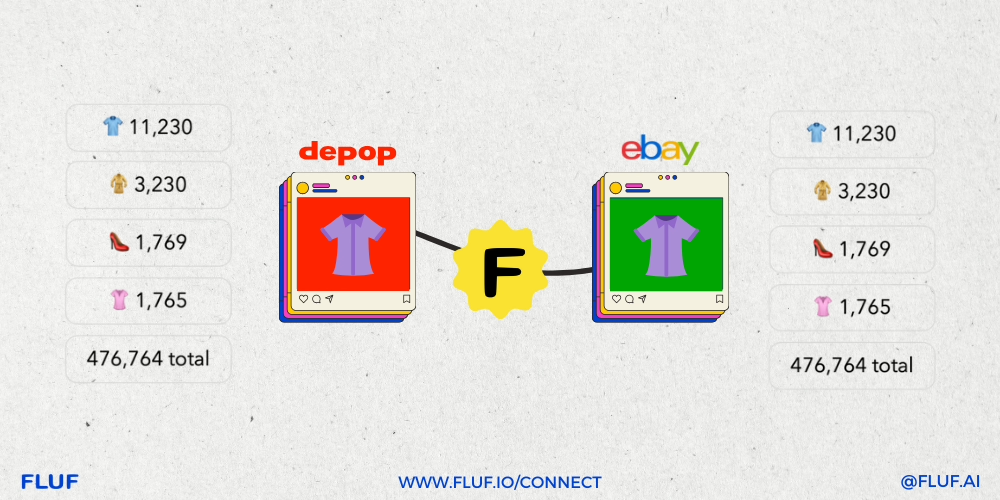
FLUF Crosspost is built for resellers of all sizes, from vintage sellers scaling up to charities handling thousands of donations. It simplifies crossposting with automated syncing, centralised order management, and price optimisation, so you can focus on selling—not admin work.
Avoiding Pitfalls: Common Crossposting Mistakes
Crossposting isn’t foolproof—unless you have the right strategy. Here’s what to avoid:
- Overselling – A buyer purchases your item on eBay, but it’s still listed on Depop. Without inventory syncing, you risk disappointing customers and losing credibility.
- Not Adjusting for Fees – platforms take different cuts. If you don’t adjust your prices accordingly, you could lose profit.
- Using Poor Listings – Sloppy descriptions, inconsistent branding, and low-quality images hurt conversions.
Why Crossposting is Essential for Scaling a Resale Business
Crossposting is no longer an option—it’s a necessity for serious resellers. Whether you’re a solo seller, a charity organisation, or an enterprise handling thousands of SKUs, automated tools like FLUF Crosspost can take the work out of multi-platform selling.
Ready to scale your reselling business? Try FLUF Crosspost today and take your multi-platform selling to the next level!
More Articles

Where to Buy Wholesale Vintage Clothing in Los Angeles
Los Angeles is a treasure trove for vintage clothing resellers. With its deep roots in…

The Best Places to Buy Wholesale Vintage Clothing in Melbourne
Looking for wholesale vintage clothing suppliers in Melbourne? Whether you’re a Depop seller, run a…

The Best Places to Find Wholesale Vintage Clothing in the UK
Whether you're a Depop entrepreneur, an eBay seller, or running a boutique, sourcing high-quality vintage…