
How to source vintage and secondhand clothing for your store
 9 min read
If you think selling vintage or retro clothes seems like a dream job or the perfect side hustle, there is one thing that you may be asking yourself – where do I source my vintage stock from? We have scoured the internet as well as picked the brains of various top sellers, to put together a list of six stock-sourcing suggestions to help you get great garms for your store. You of course then should also make sure you’re maximising its reach with a tool like FLUF Crosspost. The source you get your stock from very much depends on where you are in your reselling journey. Keep reading to find out more about each option and why it might work best for you along with a few other reselling resources.
Update: It also goes without saying that FLUF’s Preloved Fashion Supplier directory is a solid place to start. With more than 3,000+ global wholesalers this is the best place to search and review the top suppliers searchable by different niches such as “luxury”, “y2k”, “deadstock”, etc. This article has gotten a lot of love and we figured this was a great resource to deliver the community. Please drop some feedback if you have any ideas on how we can do a better job!

A top tip💡 when it comes to sourcing stock – stick to a niche and own it. By owning a niche, your knowledge compounds in terms of pricing, product-specific details and negotiating power and ultimately allows you to make more money.
Sourcing Abroad
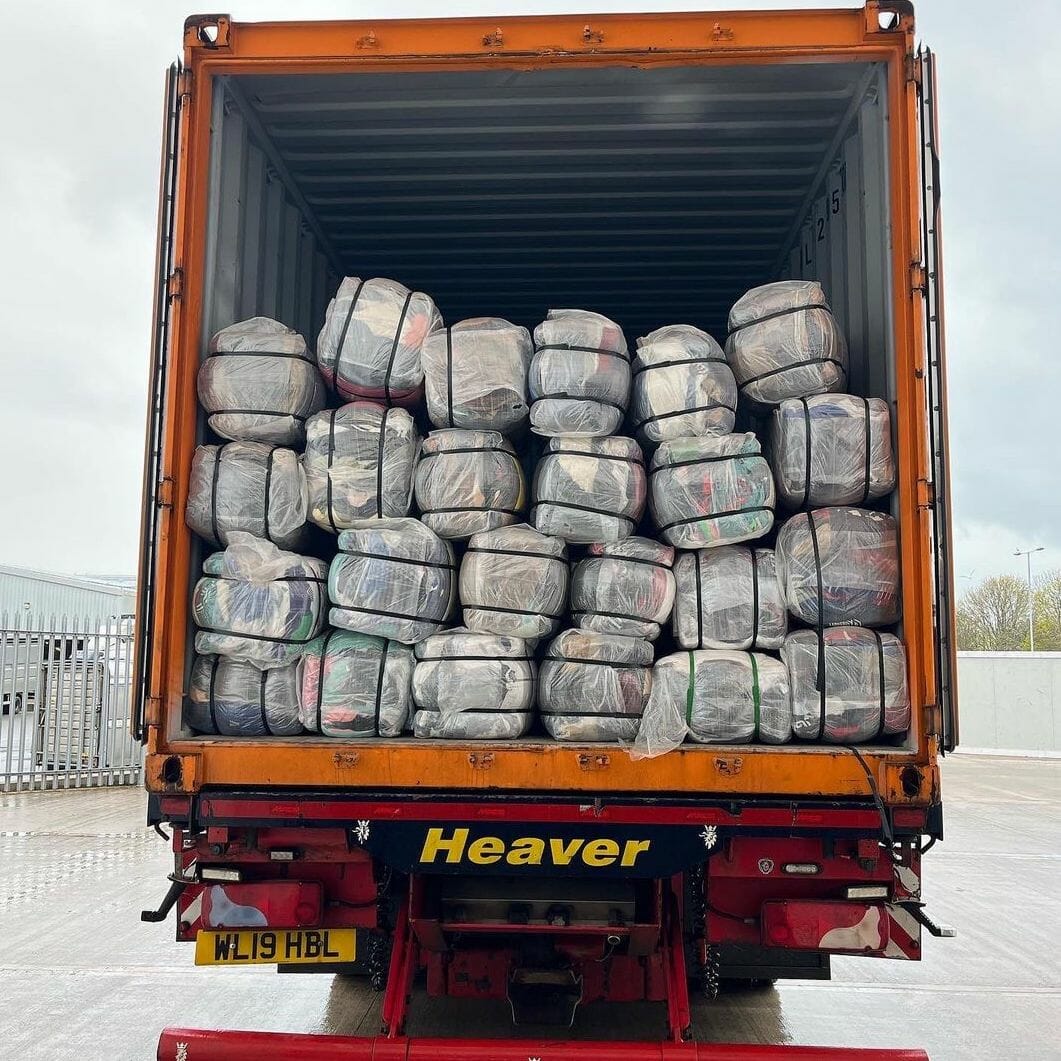
This option takes a bit of unpacking, as it helps explain the general flow of where these clothes come from in the context of the UK, US and Europe. This is a very simple and generalised view, but it will give you an understanding of the secondhand clothing lifecycle. Most of the time it starts items of clothing people no longer want, which are either donated or discarded. A small percentage of these unwanted items end up in charity shops, but the vast majority are sent to third world countries (in Africa and Asia). From here they are graded into bales of varying value. If you are an expert seller, looking to go straight to the source of where the vintage wholesalers get their supply from then this option is for you.
Sourcing abroad is the hardest option as it requires the most effort (travelling to another country, building relationships, shipping costs, import duties, storage costs etc.) but it has the largest payout potential. An honourable mention in terms of sourcing abroad includes the flea-markets across Europe, particularly the vintage clothing markets in Italy. These are an easier alternative if you are based in the UK – where you can weave a sourcing trip into your summer holidays. In between sipping on Aperol, you can find vintage items from Gucci, Prada and many more.

Vintage Wholesalers
Sourcing your stock from vintage wholesalers is the most cost and time effective option. If you know which categories and brands your store are performing well in and you are confident in your selling experience, then you can source items in bulk from these wholesalers. Each wholesaler is different, but most charge a minimum amount (about £300) for you to be able to buy from them. It can be hard finding a reliable wholesaler, but once you do we recommend building up your relationship with them.
A few red flags to watch out for when trying to find a wholesaler:
- If the wholesaler comes to you first – sliding into your Instagram DMs or sending you cold emails. Any reputable wholesaler who has good stock doesn’t need to try and offload their items to you. This only generally happens with poor-quality stock or scams.
- Mystery boxes – this is a sure way to lose money. They intentionally play off your curious nature, where you think you might score some hidden treasure. Majority of the time they are just bundling up poor-quality stock to get rid of.
- Small bundle sizes – if you are purchasing small bundle sizes from these wholesalers, you are very likely to get poor-quality stock. Their business models run off of VOLUME. They are supplying people who run verified Depop shops as well as brick-and-mortar businesses who are quite literally buying tonnes of clothes. Any small bundles they put together are likely to be scrap that has fallen off of bigger bales.
After finding the wholesaler who works best for you, there are a few different ways you can purchase your stock from them:
- Bales/Bundles. These are bundles of clothing in a specific category (i.e sweatshirts). They can be various sizes and brands depending on what you have asked for. This is a great option if you want a variety of stock. A top tip💡 research every single item in the bundle (Google, eBay, Vintagefashinguild.org etc.). Your money is made on the extra time and effort you put into adding information for customers to be able to search for your products.
Pros: large variety of items.
Cons: can sometimes be a gamble with what you get. - Hand Picks. This involves physically going into the wholesaler’s warehouse, where they let you wander around with a massive trolley and let you fill it up as much as you want. You pay a price per item or kg that you buy, but this is a lot less stressful than going to a kilo sale and you are guaranteed to get better items.
Pros: you control exactly what you buy.
Cons: you physically have to drive to these often awkwardly located warehouses. - Virtual Hand Picks. This in our opinion is one of the best ways to source vintage stock. During COVID times, these wholesalers had to adapt to keep their business running and the virtual hand pick was born. The concept is the same as a normal handpick, but a member of staff takes you around the warehouse remotely (via facetime). They then show you individual items from your category of choice and you can choose to add it to your bundle or pass. A top tip💡 here is to keep a good log of every item you have purchased during your virtual handpick. We recommend doing this on a spreadsheet and confirming the number of items before the wholesaler packages and ships this to you.
Pros: fully remote and no need to travel.
Cons: added shipping costs.
Kilo Sales
These are pretty much self-explanatory by the title. You pay for vintage clothes by the kilo. How do vintage kilo sales work? They normally happen in some sort of large community centre, where you buy tickets to an organised event. There are usually large queues to get in, but these are a great spot to pick up a large volume of stock in a short space of time. The quality of clothes is generally better and they are normally sorted by size, style or colours on huge racks. This means you can save a lot of time when it comes to finding pieces for you store. They tend to be a bit on the stressful side of hunting for clothes as other sellers are also fighting it out for the best pieces, so a top tip💡 is you either need to arrive very early or be prepared to get your elbows out. With that being said they do tend to bring out new stock in intervals throughout the day. A simple google search will reveal the best Kilo Sales in your area to attend.

Car boot Sales
You might be asking yourself – what is a car boot sale? In the UK it is rare (and sometimes illegal) for people to have garage or yard sales, so instead there are giant organised events where people meet up to sell a wide range of items including clothes. In general, professional traders and the sale of new goods are discouraged at car boot sales. The idea is that ordinary people pay a small fee to set up a temporary store out of their car from which the public can shop from. This can be a fun way to source your stock while getting some fresh air. There is a wide variety of items you can pick up, and if you get lucky the volume can also be good. A few things to keep an eye out for at car boot sales:
- Stolen goods, fakes and counterfeits: Use your common sense. If it seems too good to be true, it probably is.
- Sneaky traders: Sometimes you get a wolf in sheep’s clothing. Try to research prices of items of have some rough knowledge so you don’t get taken advantage of.
- Damaged items: Be thorough when you are looking at clothing items. Make sure there are no hidden faults or flaws.

Vintage (Brick and Mortar) Stores
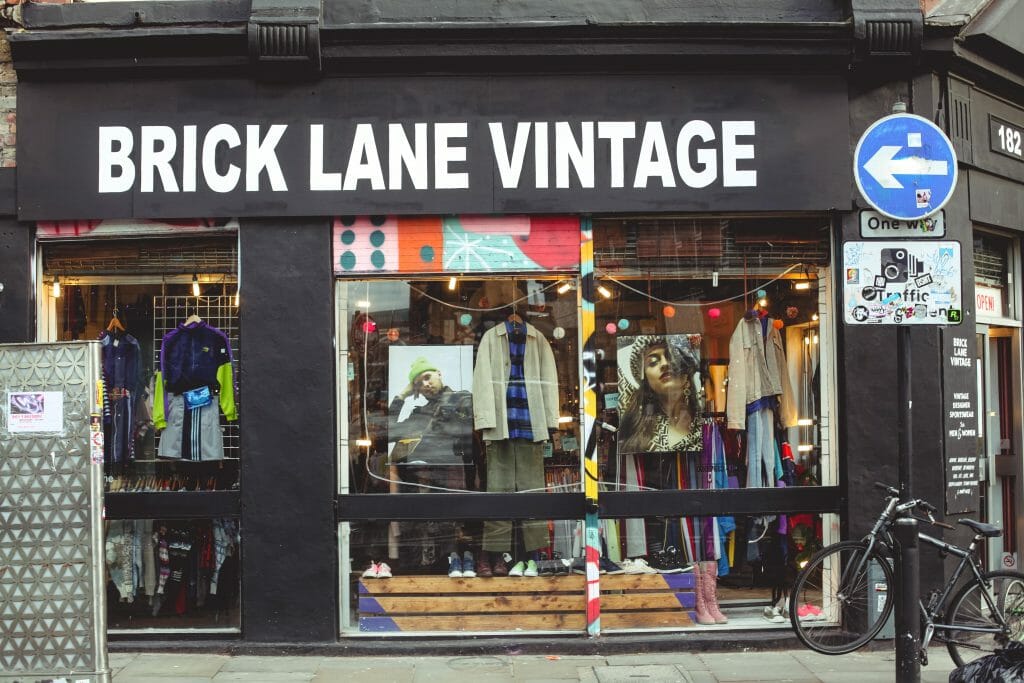
By vintage stores, we are referring to the high street curated vintage stores (think Brick Lane vibes). These stores have already done a lot of the heavy lifting in terms of sourcing items. They are a good option if you aren’t looking for large volumes, but instead you are looking for specific items for your own vintage store or even a cheeky piece to keep in your cupboard. You will pay a premium for these items, but you will save a lot of time. This option requires a bit of knowledge of your niche, but there is definitely margin left on the table for many items.
Charity Shops
Some people think sourcing stock from charity shops is unethical, as you are taking well-priced pieces of clothing away from people who are struggling financially and then selling these for a profit. This unfortunately is the reality of it, but on the other hand you are supporting the sales of these charity stores and further contributing to the economy. Sourcing stock from charity shops is also by no means easy and requires a decent level of knowledge of the items you are sourcing. This option is ok if you have a lot of free time to sift out the gems, but depending on the location of the charity shop you can either get poor-quality items or the prices could be relatively high.

Other Marketplaces (Vinted, Depop, Ebay etc.)
This option is great if you are starting out, you know your niche and you have a lot of time. You can use the filters on these platforms to hunt for gems and resell them for a profit. A lot of these platforms have a searchability issue. Non-professional sellers upload unwanted items and do not price them or write clearly attributed descriptions. This way the items do not show up when users search for them, but with the correct filtering knowledge, you are able to find some hidden gems. This takes quite a high level of pricing knowledge of the items you are selling, but once you get good at it the only ceiling on making money is your time.
A top tip💡 when scanning for the gems on these marketplaces, is to look for poorly taken photos (the worse the better). Top sellers or stores always take good quality images and consequently know the value of the items they are selling. Conversely, if the images are badly taken, or the item looks creased, there is a high chance that the seller does not care about or know the value of what they are selling. There is also a subtle art to giving “lowball†offers, if you get it right (and don’t offend the seller) you can often score a great bargain.

No matter which way you decide to source your stock, the most important thing is getting your products in front of customers. FLUF Crosspost is a powerful tool for resellers that lets you sync your product listings across multiple marketplaces like eBay, Depop and Shopify. It automatically updates your inventory and product details whenever you make a sale, saving you time and effort. Plus, it helps drive more traffic to your listings by getting your products in front of more buyers. With FLUF Connect, you can easily manage orders, track sales, and grow your business—all from one place. If you have any other sourcing solutions or want to share some of your top tips with us get in contact here or via Instagram.
You can also search FLUF for any type of resale apparel, we check across the internet where we have insufficient quantity. We’re working on expanding FLUF to include a solution for wholesale, but feel free to throw in “vintage clothing bundle” or any other search phrases into our search bar in the meantime.